

Anxiety can show up in many ways. Maybe you're constantly thinking about what could go wrong, replaying conversations in your head, struggling to make decisions, or feeling like you can never fully relax. For others, anxiety appears physically through tension, restlessness, difficulty sleeping, a racing heart, or a sense of being constantly on edge.
At Congruency Counseling, we provide a compassionate space to understand what's beneath your anxiety, develop practical tools for managing it, and begin moving toward a life that feels less controlled by worry and fear.
Does This Sound Familiar?
Constant Worry
Your mind seems to always be thinking about what might happen next.
Avoidance
Anxiety keeps you from situations, relationships, experiences, or opportunities that matter to you.
Feeling On Edge
It’s difficult to relax, even when there’s nothing obviously wrong.
Physical Symptoms
Racing heart, muscle tension, difficulty sleeping, stomach discomfort, restlessness, or feeling overwhelmed.
Overthinking
You replay conversations, question your decisions, or struggle to quiet your thoughts.
Perfectionism
You put tremendous pressure on yourself and fear making mistakes or disappointing others.
Anxiety can look different for everyone. You don’t have to wait until it becomes unbearable to ask for support.
What Anxiety Can Look Like
In Your Body & Life
Trouble sleeping
Muscle tension
Racing heart
Restlessness
Irritability
Avoiding certain situations
Procrastination
Seeking frequent reassurance
Feeling exhausted or overwhelmed
In Your Mind
Excessive worry
Racing thoughts
Overthinking
Difficulty concentrating
Fear of making the wrong decision
Expecting the worst
Negative self-talk
Perfectionism
Difficulty tolerating uncertainty

Sometimes anxiety doesn't feel like fear at all.
It can look like control, perfectionism, irritability, procrastination, people-pleasing, or constantly needing to stay busy.

How Counseling Can Help
You are more than your anxious thoughts.
Anxiety often tells us to avoid discomfort, prepare for every possible outcome, or gain control before we can move forward. Unfortunately, the things we do to feel safer in the short term can sometimes keep anxiety going.
Counseling provides an opportunity to slow that cycle down.
Together, you and your therapist can work toward:
Understanding Your Anxiety
Recognize triggers and understand the thoughts, emotions, behaviors, and experiences contributing to anxiety.
Calming Your Body
Develop grounding, mindfulness, breathing, and emotional regulation strategies.
Changing Unhelpful Patterns
Learn to recognize anxious thinking and respond differently rather than automatically believing every thought.
Facing What Anxiety Avoids
Gradually build confidence in situations that anxiety has made difficult.
Building Self-Compassion
Replace harsh self-criticism and perfectionism with a healthier relationship with yourself.
Living According to Your Values
Learn to make choices based on what matters to you—not simply what anxiety tells you is safest.
Our Approach to Anxiety Treatment
Personalized Care for the Whole Person
There isn't one approach that works for everyone.
Our therapists tailor counseling to your individual experiences, needs, strengths, and goals. Depending on your therapist and treatment needs, counseling may incorporate evidence-based approaches such as Cognitive Behavioral Therapy (CBT), Acceptance and Commitment Therapy (ACT), Dialectical Behavior Therapy (DBT), Internal Family Systems (IFS), mindfulness, person-centered therapy, and other evidence-based practices.
Rather than simply helping you manage symptoms, we want to understand the whole person experiencing them.
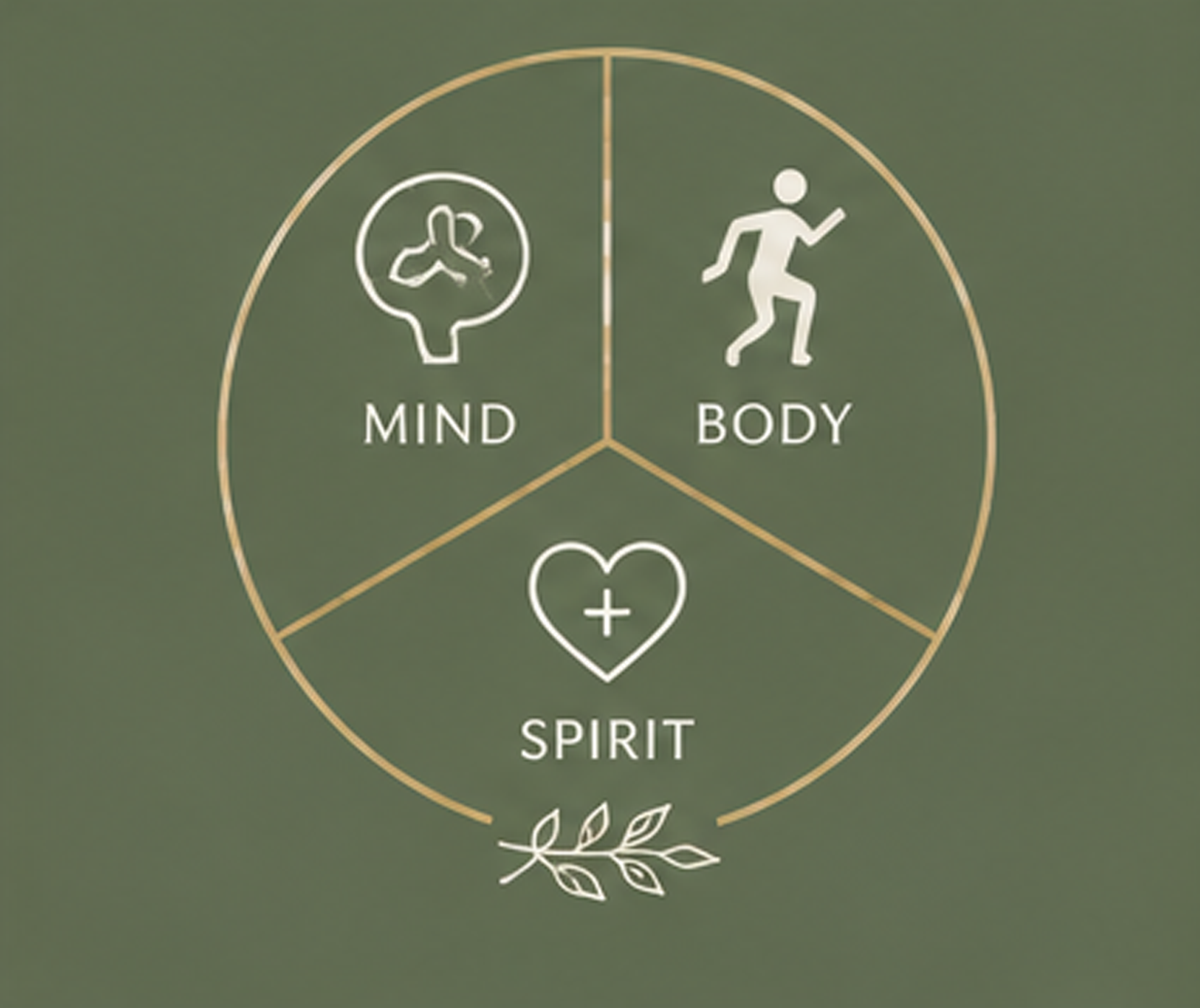
MIND
Understand anxious thoughts, beliefs, triggers, and patterns.
BODY
Recognize your body's response to stress and learn strategies for regulation.
SPIRIT
Explore meaning, values, identity, purpose, and—for clients who desire it—faith.
Disclaimer: Faith integration is always based on the client's preferences and goals. Clients of all beliefs and backgrounds are welcome at Congruency Counseling.

Anxiety Across Different Seasons of Life
You may not be able to control every thought, feeling, or circumstance that comes your way—but you can learn new ways to respond to them.
Counseling can help you understand your anxiety, build confidence in your ability to navigate difficult moments, and create more space for the relationships, experiences, and values that matter to you.
Children
Anxiety in children may appear as stomachaches, difficulty separating from parents, sleep problems, meltdowns, perfectionism, school avoidance, or excessive reassurance-seeking.
Adults
Anxiety can affect careers, relationships, parenting, decision-making, sleep, and the ability to simply enjoy the present moment.
Teens
Academic pressure, friendships, sports, social media, identity, family relationships, and uncertainty about the future can all contribute to adolescent anxiety.
Athletes
Performance pressure, perfectionism, fear of failure, injury, and expectations can create unique forms of anxiety for athletes.