
Play Therapy
Helping Children Heal Through the Language of Play
Children often struggle to express difficult emotions or experiences through words alone. Instead, they naturally communicate through play. Play therapy is a developmentally appropriate, evidence-based counseling approach that uses play as a way for children to express their thoughts, feelings, and experiences in a safe, supportive environment.
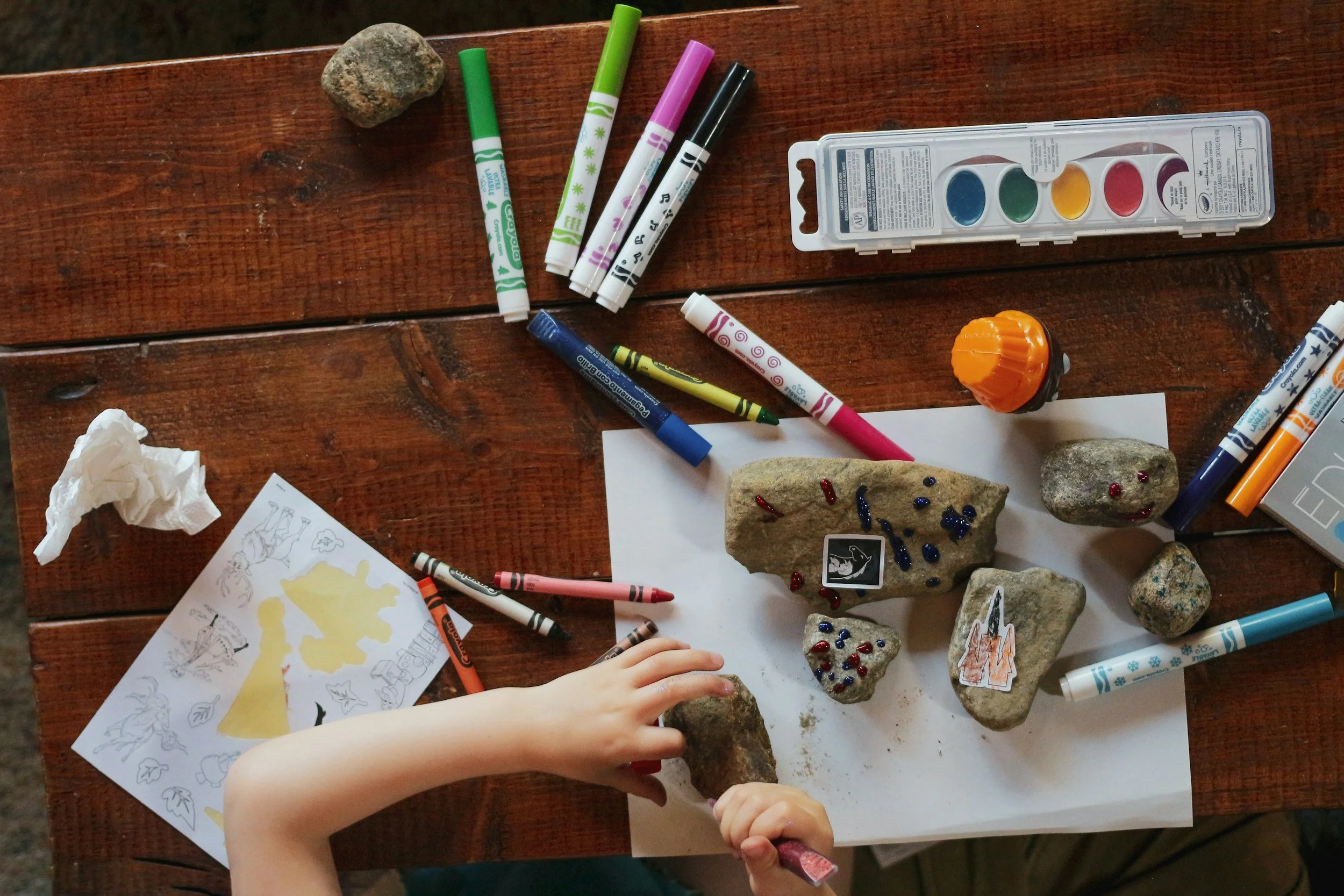
Just as adults talk through their challenges, children "talk" through their play. With the guidance of a trained play therapist, children use toys, art, games, sand, storytelling, and imaginative play to explore emotions, process difficult experiences, and develop healthy coping skills.
Play therapy is not simply playing with toys—it is a structured therapeutic process designed to help children understand themselves, build emotional resilience, and develop skills that support healthy growth and relationships.
How Play Therapy Can Help
Play therapy can support children who are experiencing:
Anxiety and excessive worry
Depression or sadness
Trauma or abuse
Grief and loss
Behavioral challenges
Difficulty regulating emotions
ADHD
Autism Spectrum Disorder
Divorce or family transitions
School-related stress
Low self-esteem
Social or friendship difficulties
Foster care or adoption transitions
Medical challenges or chronic illness
Through play, children learn to identify and express emotions,
solve problems, improve communication, build confidence,
and strengthen relationships with family members and peers.
What to Expect
Every child is unique, and therapy is tailored to meet their individual developmental, emotional, and family needs. Sessions are designed to provide a safe, accepting space where children can explore their experiences at their own pace.
Parents are an important part of the therapeutic process. Depending on your child's needs and age, we regularly collaborate with parents to provide support, share progress, discuss strategies that can be used at home, and work together toward treatment goals. While maintaining your child's confidentiality, we strive to strengthen the parent-child relationship and equip families with practical tools to foster continued growth outside of the therapy room.
Our Approach
At Congruency Counseling, we believe every child deserves to feel understood, valued, and emotionally safe. Our play therapy approach focuses on building a trusting therapeutic relationship while helping children develop resilience, confidence, emotional regulation, and healthy coping skills.
We recognize that healing looks different for every child. Whether your child is navigating anxiety, trauma, behavioral concerns, or a significant life transition, we provide compassionate, individualized care that honors their unique strengths and supports their emotional well-being.
Frequently Asked Questions
What age is play therapy appropriate for?
Play therapy is most commonly used with children ages 3–12, although therapeutic play techniques can also benefit older children and adolescents depending on their developmental needs.
How long does play therapy take?
The length of therapy varies based on your child's goals and presenting concerns. Some children benefit from short-term therapy, while others may need ongoing support to address more complex issues.
Will I know what happens during sessions?
Yes. Parents receive regular updates about progress, themes being addressed, and recommendations for supporting their child at home. Because trust is essential to the therapeutic relationship, specific details of a child's play are shared thoughtfully and only when appropriate.
Begin Your Child's Journey Toward Healing
Seeking help for your child is a courageous first step. If you're concerned about your child's emotional or behavioral well-being, we're here to help. Together, we can create a supportive environment where your child can build confidence, develop healthy coping skills, and thrive.
Schedule a consultation today to learn how play therapy can support your child's growth and healing.