
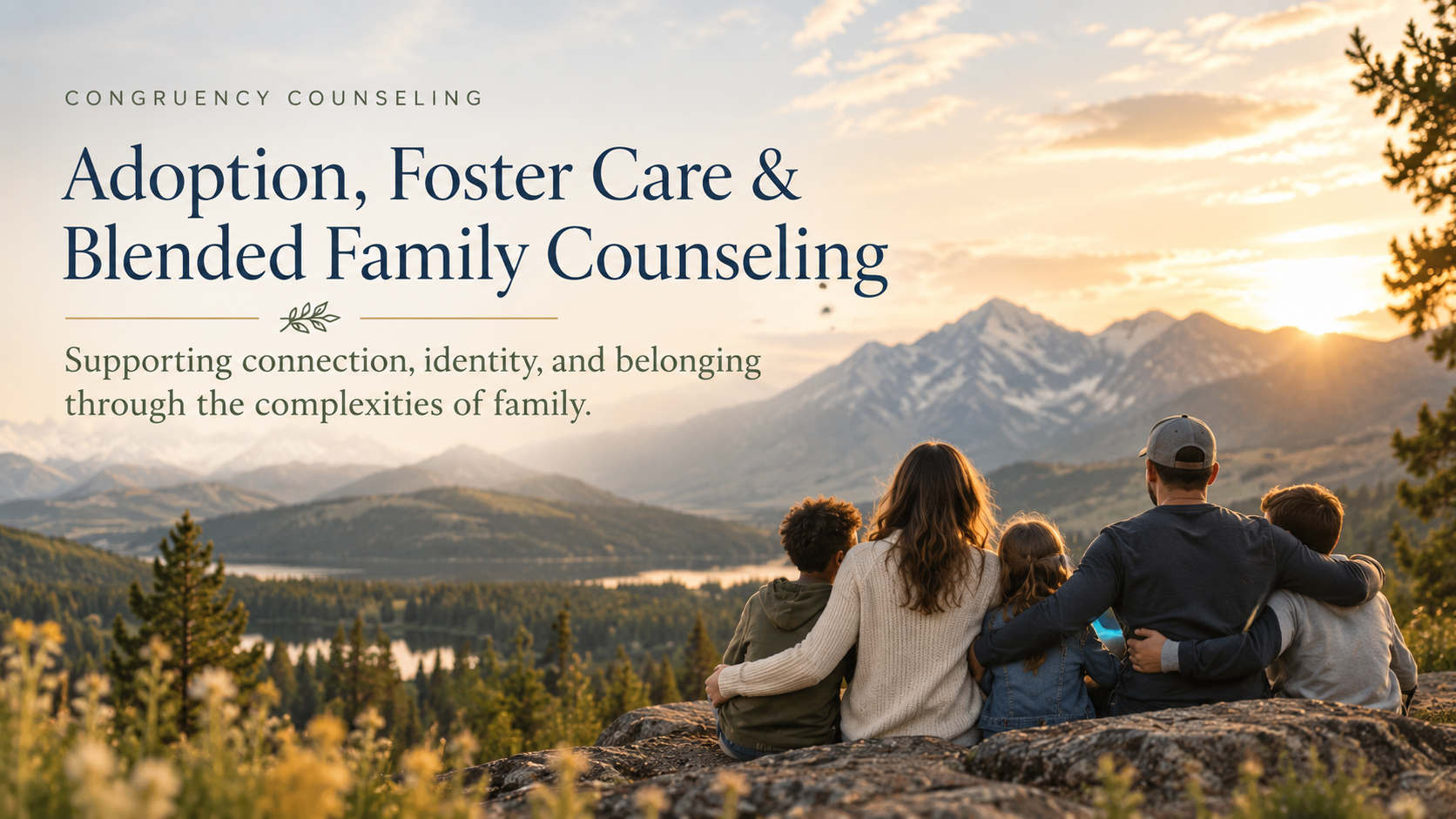
Adoption and foster care often involve multiple stories existing at the same time.
There may be joy alongside grief. Belonging alongside questions about identity. Connection alongside fear of loss. Gratitude alongside anger. Children and parents may experience these emotions differently—and sometimes simultaneously.
Counseling creates space for those experiences without requiring anyone to choose between them.
We help families approach difficult emotions and conversations with curiosity and compassion while building relationships grounded in safety, trust, connection, and respect.
Every Family Has A Story
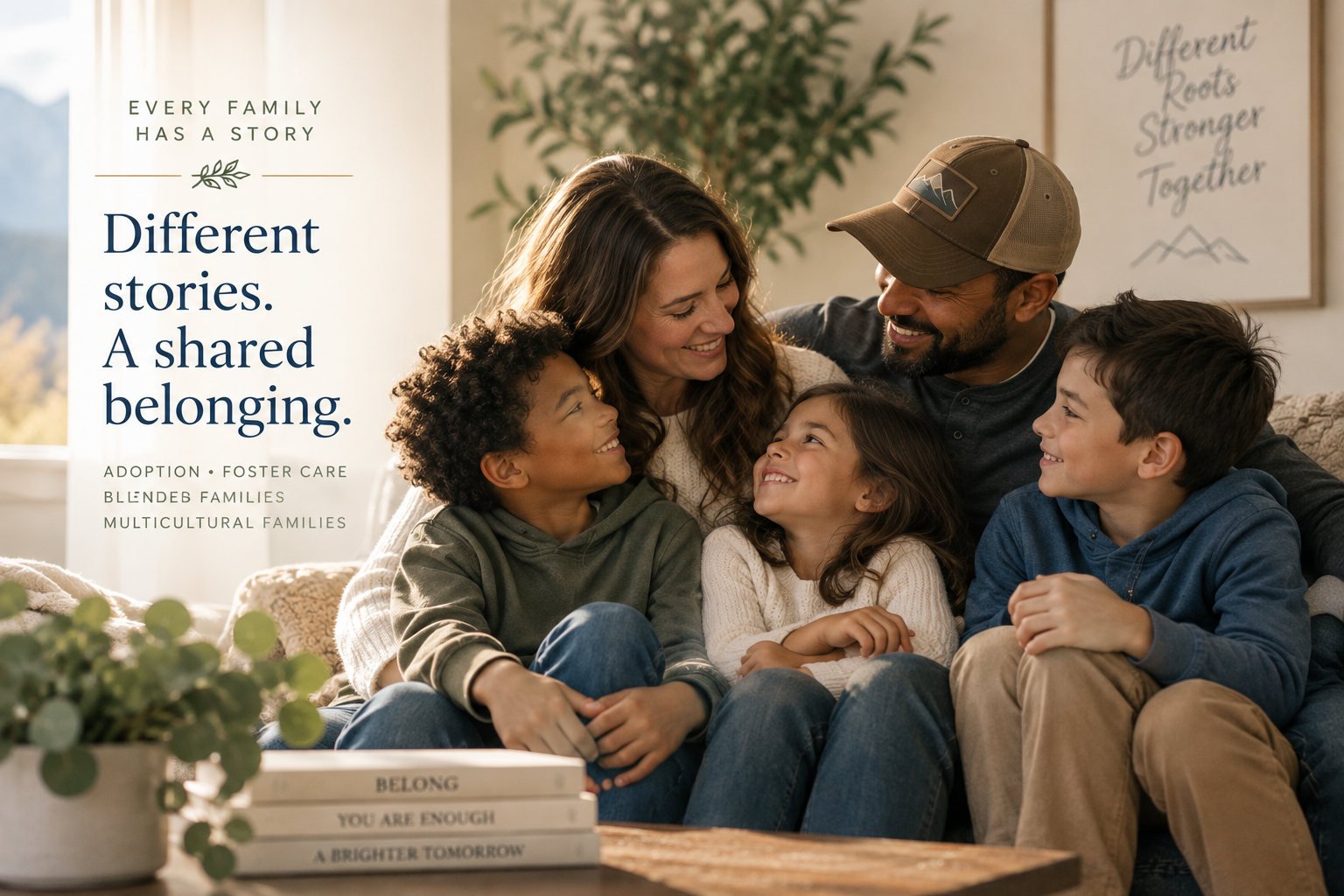
Families are formed in many different ways, and each family's story is unique. Adoption, foster care, kinship care, and multicultural family relationships can bring tremendous connection and joy while also creating experiences that deserve space, understanding, and support.
At Congruency Counseling, we provide compassionate, trauma-informed counseling for children, adolescents, adults, and families navigating the complexities of adoption and foster care. We recognize that love and commitment are deeply important—and that they do not erase experiences of loss, separation, trauma, identity development, or cultural differences.
Our goal is to provide a safe place where every member of the family can be heard, relationships can be strengthened, and families can develop deeper connection while honoring each person's individual story.
Attachment & Connection
Strengthen feelings of safety, trust, and connection within parent-child and family relationships.
Adoption & Foster Care Transitions
Support children and families through placement changes, reunification, adoption, changing family roles, and other significant transitions.
Trauma & Emotional Regulation
Help children understand emotions, recognize their body’s responses to stress, and develop healthy ways of coping with difficult experiences.
Parenting Support
Help caregivers better understand behaviors through an attachment- and trauma-informed lens while developing practical strategies for connection, boundaries, and regulation.
Grief & Loss
Provide space to acknowledge and process the losses that may be a part of the foster care and adoption experience without minimizing the relationships and family connections that exist today.
Identity & Belonging
Create space for questions about adoption, biological family, race, ethnicity, culture, identity, and what it means to belong.
When children and parents come from different racial, ethnic, or cultural backgrounds, creating a strong sense of family belonging also means making space for each person's cultural identity.
Children in multicultural and transracial families may eventually have questions about race, culture, biological heritage, belonging, or experiences their parents have not personally encountered. Parents may find themselves learning how to have conversations about these differences while creating meaningful opportunities for their child to remain connected to their cultural heritage.
Our role is not to tell families what their cultural identity should look like. Instead, counseling can provide a supportive environment for families to listen, learn, ask difficult questions, explore identity, and strengthen connection while honoring differences.
We encourage openness and cultural humility while helping families recognize that healthy connection does not require everyone within a family to have the same experiences.
Supporting Teens & Children
Children don't always communicate difficult experiences through words.
Past trauma, disrupted attachment, placement changes, uncertainty, grief, and questions about identity can sometimes appear through behavior. A child may become angry, withdrawn, controlling, anxious, overly independent, fearful of separation, or have difficulty trusting others.
Rather than simply asking:
“How do we stop this behavior?”
therapy can help families begin asking:
“What might this behavior be communicating?”
For younger children, play therapy can provide a developmentally appropriate way to explore emotions and experiences. Older children and adolescents may benefit from having a confidential, supportive relationship where they can explore identity, relationships, family experiences, and difficult emotions without feeling responsible for protecting the feelings of the adults they love.
Supporting Foster & Adoptive Parents
You deserve support, too.
Parenting a child who has experienced trauma, disrupted attachment, loss, or significant transitions can require different tools than parents originally expected.
Caregivers may find themselves wondering:
Why isn't reassurance helping? Why does my child push me away when they need me most? Why do seemingly small situations create such big reactions? Am I handling this the right way?
Counseling can help caregivers better understand the needs underneath behavior, recognize their own emotional responses, establish healthy boundaries, and develop strategies that prioritize both connection and regulation.
It can also provide parents with a place to process their own experiences—including stress, uncertainty, grief, changing expectations, and the realities of navigating complex family systems.
Our Approach
At Congruency Counseling, we believe behavior makes more sense when we understand the experiences, emotions, relationships, and needs beneath it.
Our clinicians draw from trauma-informed, attachment-focused, developmentally appropriate, and evidence-based approaches based on the needs of each client and family. Treatment may include individual counseling, play-based interventions, parent support, family work, emotional regulation skills, and other therapeutic approaches.
We don't view adoption, foster care, or cultural differences as something that needs to be "fixed." Instead, we recognize the unique experiences that can accompany them and work alongside families to strengthen safety, connection, communication, resilience, and belonging.
Mind • Body • Spirit • Family
MIND - Understanding thoughts, beliefs, memories, identity, and the meaning we make from our experiences.
BODY - Recognizing how stress and trauma can influence the nervous system, emotions, and behavior.
SPIRIT - Exploring values, meaning, purpose, identity, and faith when desired by the client.
FAMILY - Strengthening attachment, communication, trust, and a sense of belonging while honoring each person's individual story.
For families who wish to incorporate Christian faith into counseling, our therapists can integrate faith as part of the therapeutic process. Faith integration is always based on the client's preferences and goals.
Meet a Therapist Who Understands

Meet Sherae
MA, LPCCFoster Care • Adoption • Attachment • Trauma
With more than a decade of experience working with youth involved in foster care, Sherae brings a deep understanding of the ways trauma, disrupted relationships, loss, and significant life transitions can influence parents and families.
Her approach focuses on looking beyond behavior to understand the experiences and needs underneath it. Through a relationship built on safety, compassion, and trust, Sherae helps clients explore attachment wounds, strengthen emotional regulation, navigate family relationships, and develop healthier patterns of connection.
She is particularly passionate about walking alongside parents, teens, and families as they make sense of complicated experiences while recognizing the resilience and strengths they already possess.
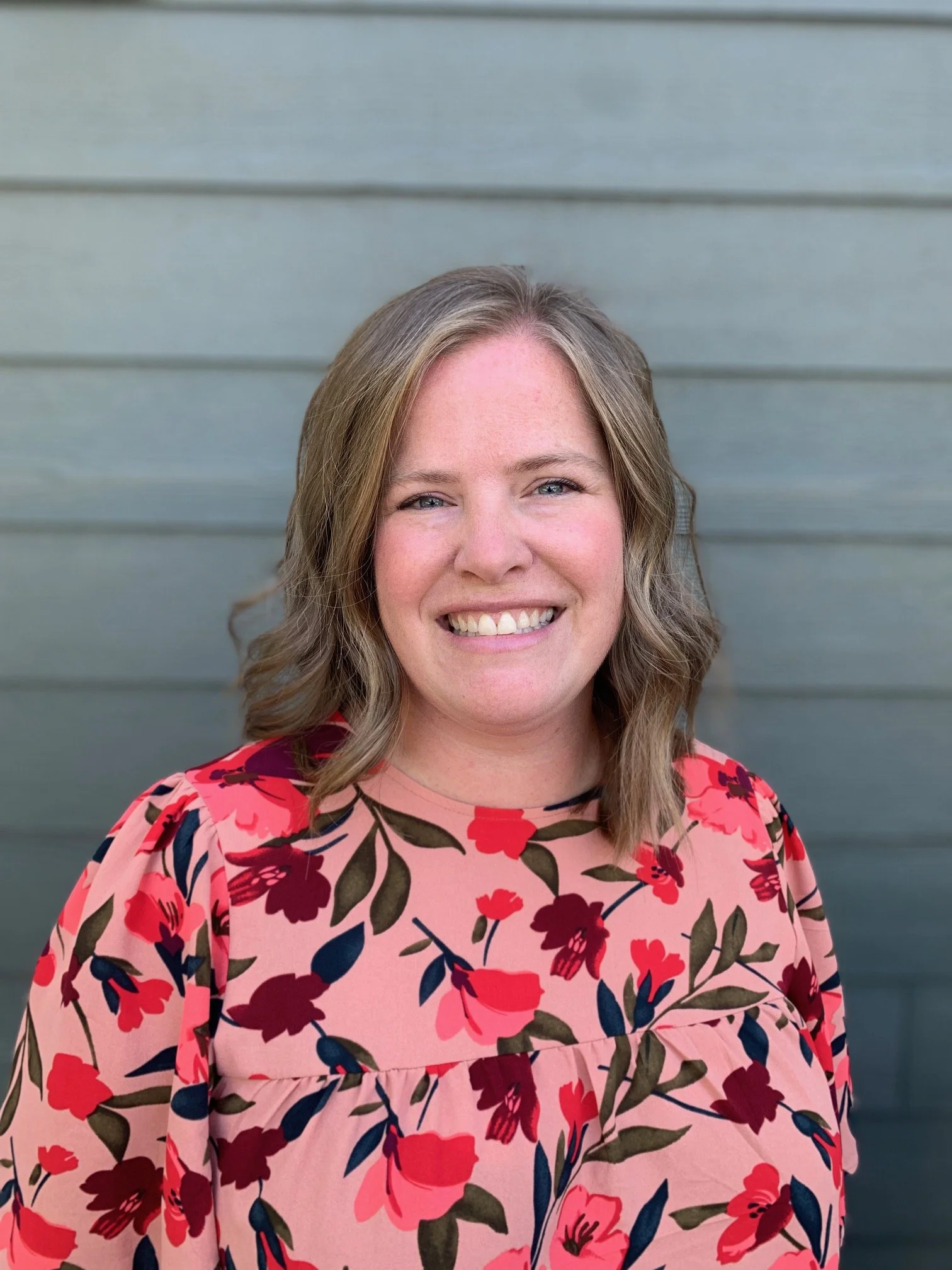
Michelle Van Winkle
Adoption • Foster Care • Family Transitions • Attachment
Michelle brings a unique combination of professional and lived experience to her work with adoptive and foster families. Before entering the counseling field, she spent many years working in social work, giving her firsthand understanding of the systems, relationships, transitions, and complexities that can accompany foster care and adoption.
Fostering is also part of Michelle's own family story. As a former foster parent and as an adoptive parent, she understands that building a family through the foster and adoption process can hold many experiences at once—love and loss, joy and grief, connection and uncertainty, and questions of identity and belonging.
Michelle brings this perspective into the therapy room with compassion and respect for every person's story. She works alongside children and parents to strengthen relationships, better understand the needs beneath behaviors, navigate transitions, and create a greater sense of safety, connection, and belonging.
MA, LPCC-
Yes. Caregiver involvement can be an important component of treatment, particularly when strengthening attachment, understanding behavior, and developing strategies that can be used at home.
-
No. Therapy should move at a pace that respects the child's developmental level, readiness, and sense of safety. Children should not be pressured to disclose or process experiences before they are ready.
-
No. Families may seek counseling proactively during transitions or simply because they want support navigating questions related to attachment, identity, culture, communication, or family relationships.
-
Adoption, foster care, and multicultural family experiences can bring important questions about identity, culture, biological family, relationships, and belonging. Therapy provides a supportive space for children, teens, and adults to explore these questions without pressure to feel or respond a certain way. Our goal is to honor each person's individual story while helping strengthen their sense of identity, connection, and belonging within their family and community.
-
Absolutely. The experiences connected to adoption and foster care can continue to evolve throughout different stages of life. New questions or emotions may emerge as children grow, enter adolescence, develop adult relationships, become parents themselves, or experience other major transitions. Counseling can provide support at any point in that journey, whether your family is currently navigating a transition or exploring experiences from many years ago.